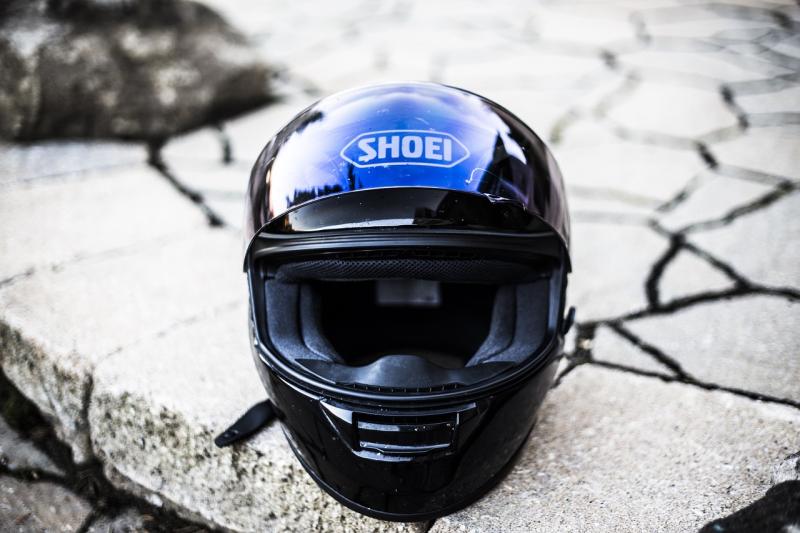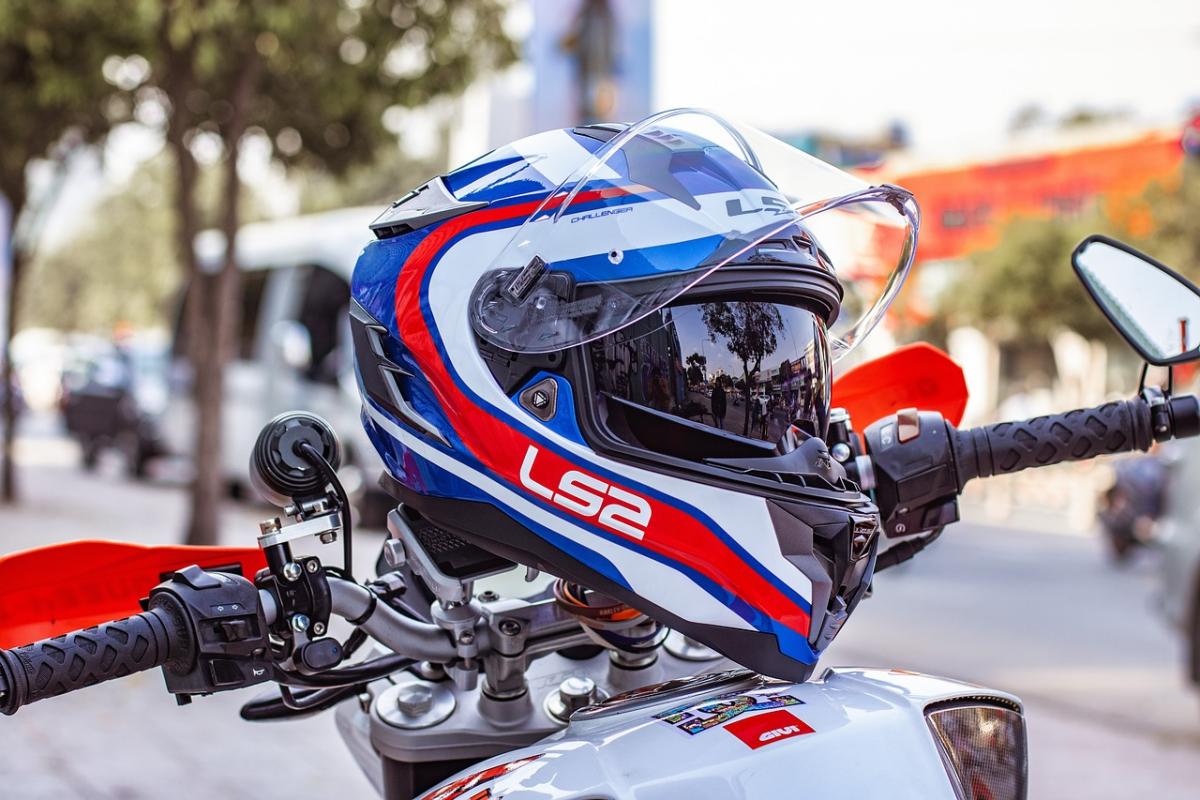
Getting the right helmet size is super important for your safety and comfort. A helmet that fits well makes a huge difference in how you feel on the road. Here are some basics to help you find your perfect fit.
Start by measuring your head. Grab a flexible measuring tape and wrap it around the largest part of your head, which is usually just above your eyebrows and around the back. Make sure the tape is snug but not tight. Note down the measurement in inches or centimeters; this will be your starting point.
Most helmet brands have size charts that match your measurement to a helmet size, like small, medium, or large. Remember, sizes can vary between brands, so always check the specific sizing chart for the helmet you want. If you're right at the edge of two sizes, it's usually better to go with the larger one for comfort.
Once you've picked a helmet, try it on! It should feel snug all around without pinching or causing discomfort. Shake your head side to side. If it moves, it’s not the right size. The cheek pads should touch your cheeks, and you shouldn’t be able to slide it off easily. A good fit means it’ll protect you better if you take a tumble.
Don’t forget that helmet liners can wear out over time, affecting the fit. So, make sure to check the fit every once in a while, especially if you notice any changes in comfort. Your safety is worth it, so take the time to find that perfect helmet size!
Measuring Your Head Correctly
First, wrap the measuring tape around the largest part of your head, which is usually just above your eyebrows and around the back of your head. Make sure it’s snug but not too tight. You want to get an accurate measurement without squishing your head like a grape. If you’re using a string, mark where it overlaps and then measure that length against a ruler.
After you have your measurement, compare it to the sizing chart of the helmet you’re eyeing. Sizes can vary between brands, so don’t skip this step! Most helmets will have a size range like small, medium, large, etc., based on the circumference of your head.
If you find yourself between sizes, go for the smaller one. A helmet should fit snugly without shifting around. You want it to be secure but still comfortable. It’s better to have a helmet that fits a bit tight than one that flops around when you ride.
Once you’ve got your helmet, give it a good test. Put it on and check how it feels. If it’s compressing your cheeks or gives you a headache, it’s not the right fit. Remember, a properly fitted helmet is crucial for your safety on the road!
Choosing the Right Fit for Comfort
Finding the right fit for your motorcycle helmet is super important. You want something that feels comfortable but also protects you when you're on the road. Start by measuring your head. Use a flexible tape measure and wrap it around your forehead, just above your eyebrows and ears. Make sure it’s snug but not tight. This will give you a baseline to find your size.
When you're trying on helmets, look for that snug fit. You shouldn't feel pressure points, but it shouldn’t be so loose that it shifts around. A good helmet should feel like a gentle hug on your head. If it feels like it's going to slide off, it’s too big. If you can shake your head and it moves a lot, don’t settle! Keep searching.
Different types of helmets can fit differently, too. Full-face helmets might feel tighter than open-face ones. It’s a good idea to try on different styles to see which one suits you best. Also, remember that padding breaks in over time, so what feels a bit snug now might feel perfect after a few rides.
Once you've picked a helmet, wear it for at least 20 minutes. This helps you check for comfort during longer rides. Pay attention to any spots that might start to hurt. If you find any, it’s probably not the right one for you. Don’t rush—getting the right fit matters for comfort and safety on your adventures!
Trying on Helmets Before You Buy
Trying on a motorcycle helmet before you buy it is super important. It’s not just about looking cool; it’s about finding the right fit to keep you safe and comfortable out on the road. So, let’s break down what to do when you’re in the store and ready to find your perfect helmet.
First off, don’t be shy about trying on a bunch of helmets. Each brand can fit differently, and sizes can vary from one model to another. When you put a helmet on, it should feel snug but not painfully tight. You want it to stay put, even when you shake your head a bit. If it’s loose, it won't protect you the way it should.
Next, check for pressure points. You might feel a little tightness at the forehead or cheeks, and that’s normal at first. But if there’s a spot that really digs in or feels uncomfortable, try a different style or size. Remember, you’re not just wearing it for a few minutes; you could be in that helmet for hours!
Finally, don't forget to look at the helmet's safety features and ventilation. Make sure it comes with a good safety rating and has vents that allow airflow while you ride. A little breeze can make a huge difference, especially on those long trips.