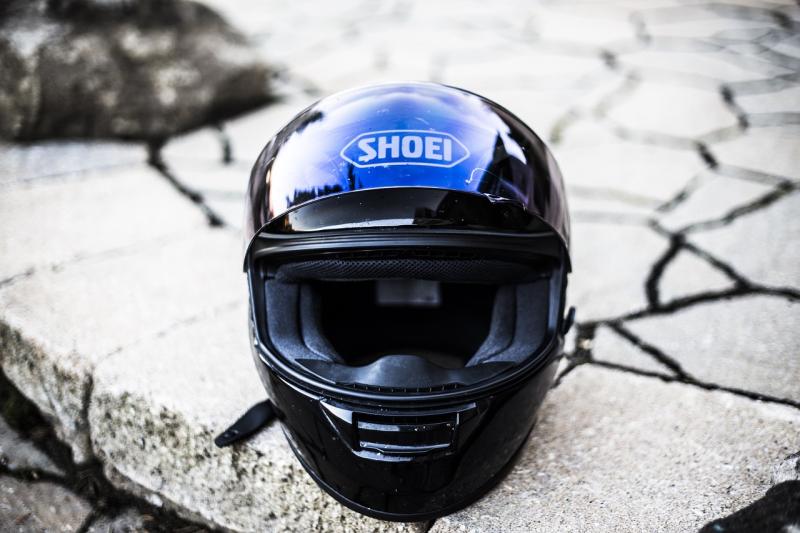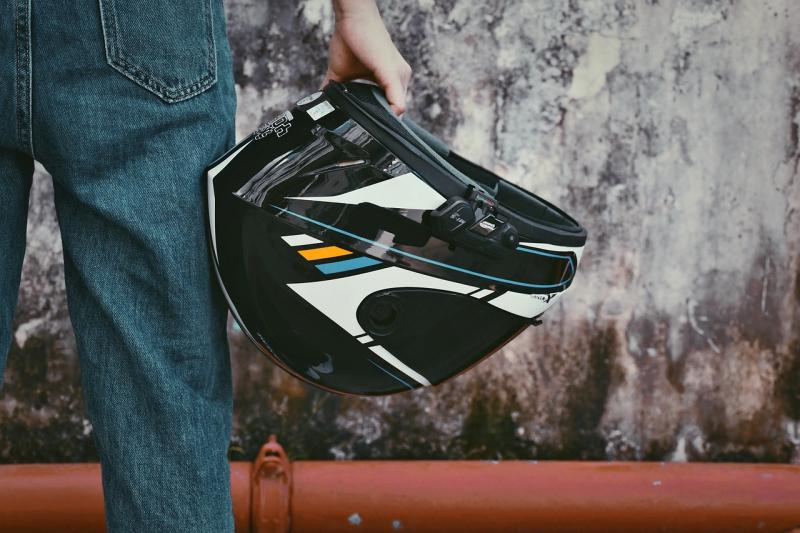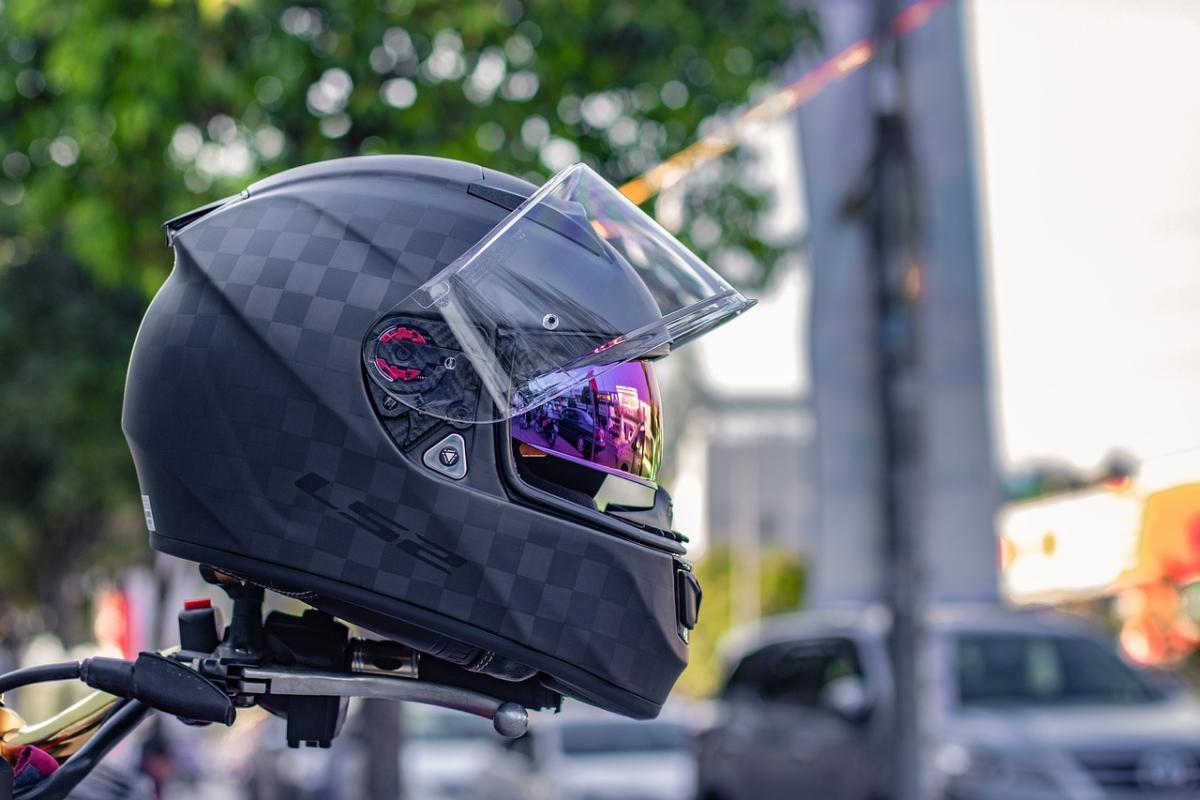
When it comes to riding a motorcycle, safety should always be at the top of your list. One of the best ways to protect yourself is by wearing a helmet. It’s not just a piece of gear; it’s your first line of defense in case things go sideways on the road. A good helmet can absorb impact and keep your head safe, which can be a game-changer in an accident.
Think about it: your head is one of the most vulnerable parts of your body. In the event of a fall or collision, a helmet can prevent serious injuries like concussions, skull fractures, or worse. Statistically, wearing a helmet can reduce the risk of head injuries by a significant margin. That’s a pretty compelling reason to gear up every time you ride.
Helmets are designed with safety features that matter. Many come with multi-layered construction that helps distribute impact, along with face shields to protect your eyes from debris and bad weather. Some even have ventilation systems to keep you cool on those hot summer rides. Comfort and safety go hand in hand!
Beyond the practical safety aspects, wearing a helmet is a legal requirement in many places. Skipping it can lead to fines and hassle, and we all know that’s the last thing you want when you’re looking to enjoy a ride. So, rock a helmet every time you hit the road—it’s not just smart; it’s often mandatory.
Choosing the Right Motorcycle Helmet for You
Choosing the right motorcycle helmet is super important. It’s not just about looking cool; it’s about staying safe. Start by thinking about the type of riding you do. Are you cruising around town, hitting the highways, or going off-road? Your helmet needs to match your riding style.
Next, fit is everything. A helmet that doesn’t sit right won’t protect you the way it should. When trying one on, make sure it snugly hugs your head without causing discomfort. You should feel a bit of resistance when you try to push it off or twist it. Often, you’ll find a range of sizes, so don’t be shy to try a few until you find the perfect fit.
Don’t forget about safety ratings. Look for helmets that meet the DOT or Snell standards—they’ve been tested to ensure they can handle impacts. The look matters too, but make safety your top priority. You want something that has good ventilation for those hot days, but also provides protection when it counts.
Lastly, think about features that matter to you. Do you want a helmet with a face shield? How about built-in speakers for music? Some models come with sun visors or can support a Bluetooth system for hands-free calls. Choose what fits your needs best, and don’t compromise on quality.
Tips for Proper Helmet Fit and Comfort
Getting the right fit for your motorcycle helmet is crucial for both safety and comfort. A helmet that's too loose can shift around, and a tight one can give you a headache. Start by measuring your head. Use a tape measure to find the widest part of your head, which is usually just above your eyebrows. Once you have your measurement, check the manufacturer's size chart to pick the right size.
When you try on a helmet, make sure it feels snug but not painful. It should sit level on your head, not pushed back or tilted forward. Adjust the chin strap so it’s just tight enough to keep the helmet in place without causing discomfort. You should be able to fit just one or two fingers between your chin and the strap.
Also, think about the shape of your head. Helmets come in various shapes—some are more round, while others are more oval. If you have a rounder head, look for a helmet that accommodates that shape. If it doesn’t feel right, don’t settle! You want something that fits snugly without hot spots.
Lastly, don’t forget about ventilation. A good helmet should have vents to keep you cool on those hot rides. Check if you can feel air moving through the helmet when you try it on. If you’re going for long rides, comfort is key, so pick a helmet that’ll keep you fresh.
Replacing Your Helmet: When and Why
Thinking about replacing your motorcycle helmet? It’s important to know when to make that switch. Helmets don’t last forever, and wearing an old or damaged one can put your safety at risk. Generally, you should consider replacing your helmet every five years, even if it looks good. Materials degrade over time, and a helmet that’s seen a few summers might not provide the same protection as a new one.
Have you had a crash? This is a big reason to get a new helmet. Even if it doesn’t have a visible dent or scratch, the internal structure can get compromised. Impact can weaken the foam inside, and that’s what really protects your noggin. If your helmet has been involved in a spill, it’s time to invest in a new one right away.
Exposure to the elements is another factor. Sunlight, heat, and moisture can wear down your helmet. If you notice any fading, cracks, or anything unusual, don’t wait to replace it. It’s not just about having a cool design; it's about ensuring your helmet works like it should when you need it most.
Finally, if you feel like the helmet doesn’t fit well anymore, it’s worth getting a new one. Comfort matters when you're riding for hours. A helmet that’s too tight or loose can be annoying and distracting. You want something snug but not painful. Finding the right fit can make a world of difference in your ride.